
Artificial Rain in Delhi – Geography, Science, and Policy Explained for UPSC

Delhi is set to witness its first artificial rain on October 29, 2025, through cloud seeding by IIT Kanpur. Learn what artificial rain is, how it works, its geographical significance, and how it aims to combat Delhi’s air pollution. A perfect read for UPSC, IAS, and competitive exam aspirants.
Rosneft and Lukoil: Geography, History, and Power of Russian Oil

This article explores the geographical, economic and energy-security implications, covering supply chain shifts, refining geography and global oil market impact—essential for competitive exam readers.
Flying Rivers – A New Dimension of Hydrological Cycle

Flying Rivers are invisible yet powerful — transporting water vapor across the globe. Learn their role in the hydrological cycle, monsoon systems, and climate regulation, with updated scientific data and geographical insights.
Rare Earth Minerals for UPSC: Definition, Distribution, and Significance
Discover the importance of Rare Earth Minerals, their geographical distribution, India’s reserves, global importance, and recent discoveries. Learn why these 17 elements are vital for clean energy, defense, and technology. A must-read for UPSC and geography students.
Sawalkot Hydroelectric Project – Location, Features, and Environmental Significance
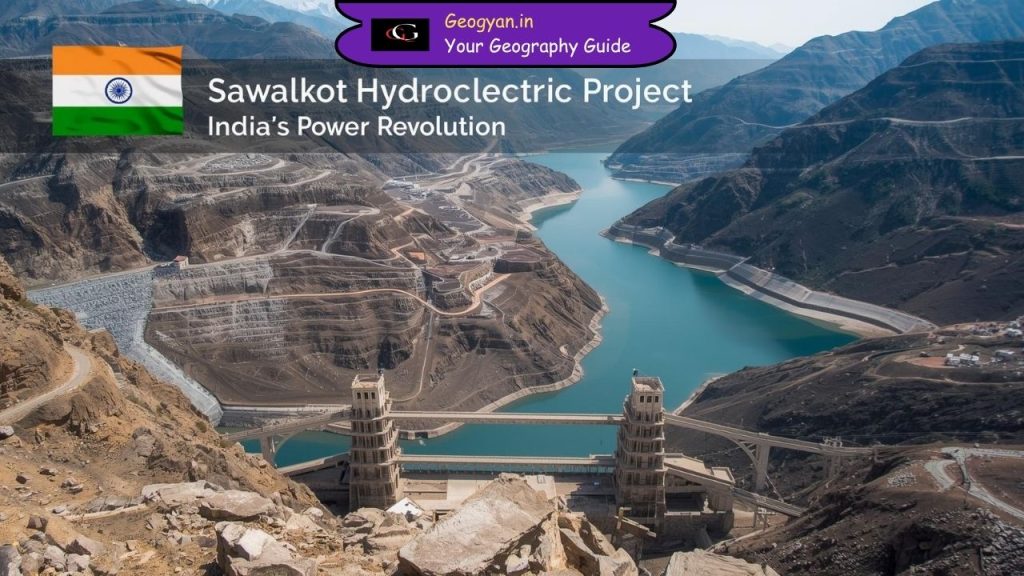
Explore how the Sawalkot Hydroelectric Project in Jammu & Kashmir will transform India’s hydroelectric capacity and water resource management while maintaining environmental sustainability.
Jupiter Planet: Mind-Blowing Facts You Didn’t Know
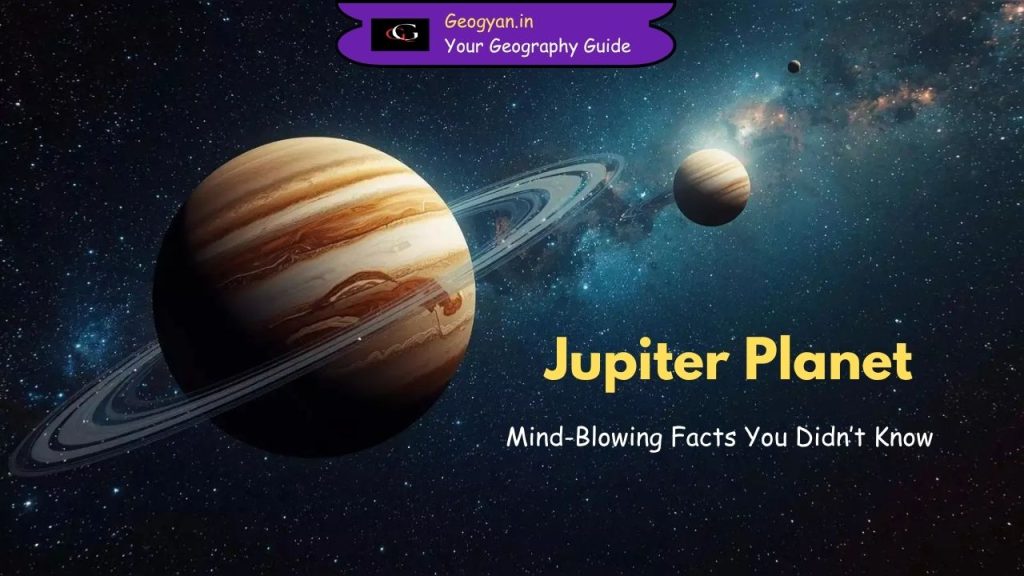
Explore Jupiter Planet, the largest gas giant in our solar system. Learn about its geographical importance, moons, atmosphere, and Great Red Spot. Understand how Jupiter’s gravity protects Earth and why it’s a focus in recent NASA missions. Perfect for competitive exam preparation and general space knowledge.
Indira Gandhi Canal – Geography, Quick Facts & Current Relevance

Explore the Indira Gandhi Canal, India’s largest irrigation project that transformed the Thar Desert. Learn about its history, geography, length, source rivers, and agricultural impact. With recent developments in water management, the canal remains vital for Rajasthan’s survival. Perfect for IAS, UPSC, and competitive exams with updated facts.
Where Does the Retreating Monsoon Cause the Heaviest Rainfall in India?
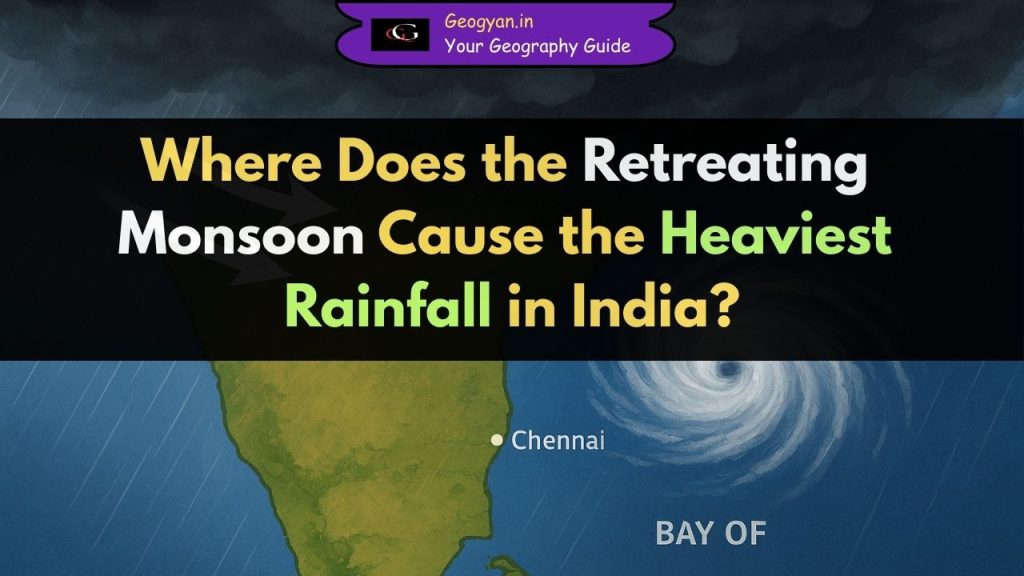
The retreating monsoon in India brings the heaviest rainfall to Tamil Nadu, coastal Andhra Pradesh, and Puducherry between October and December. Learn why Tamil Nadu gets 50–60% of its annual rain in this season, with key exam facts, comparisons, and recent updates.
Typhoon : Meaning, Formation, Impacts & Latest Updates

Discover everything about Typhoons – their meaning, formation, impacts, and recent updates like Typhoon Ragasa in Asia. This detailed blog explains geographical aspects, key facts, and FAQs in a simple way, making it highly useful for UPSC, State PSC, and geography students.
Altamaha River Geography: Origin, Course, and Significance Explained

Discover the Altamaha River’s course, ecology, pollution challenges, and conservation efforts in 2025. This blog provides aspirants with bold facts, FAQs, and exam-relevant insights on Georgia’s last free-flowing river for UPSC and State PCS preparation focused on geography and environment.
Why Is Banas River Known as ‘Van Ki Asha’?

Explore the Banas River’s origin, course, tributaries, ecological importance, and latest 2025 flood news. This geography blog is designed for UPSC, State PCS, and competition aspirants, with bold facts, FAQs, and AI-powered analysis ensuring E.E.A.T standards. Stay updated with current affairs while mastering key river geography for exams.
Why Peace River Became the River of Peace Between Cultures

Peace River is a major Canadian river flowing through British Columbia and Alberta, spanning 1,923 km. It is vital for hydroelectricity, agriculture, and ecology, forming part of the Mackenzie River System. Recently, the Site C Hydroelectric Project brought Peace River into the spotlight. Learn about its geography, history, and importance for competitive exams.
From Hailey to Jim Corbett: Story of the First National Park in India
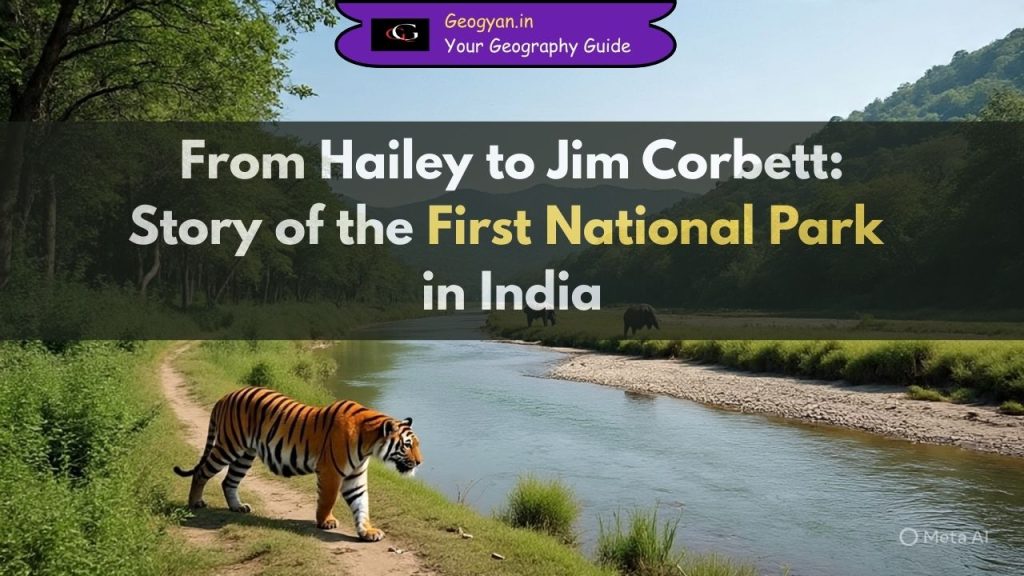
Jim Corbett National Park, the first national park in India (1936), is located in Uttarakhand. Originally called Hailey National Park, it became the first Project Tiger Reserve in 1973.
Ramganga River: The Lifeline of Uttar Pradesh Under the Lens of Floods and Geography

The Ramganga River, originating in the Doodhatoli ranges of Uttarakhand, flows approximately 596 km before joining the Ganga River in Uttar Pradesh. In 2025, heavy rains caused severe water level rise and flooding, impacting over 80 villages and threatening agricultural livelihoods. This vital tributary supports rich biodiversity and millions of people across Uttarakhand and Uttar Pradesh. Explore the river’s geography, recent flood challenges, and key facts essential for competitive exams in this comprehensive post.
Mount Etna and Iceland Eruptions 2025: Geographic Insight

Mount Etna in Sicily and Iceland’s volcanic belts erupted dramatically in June–August 2025, sending lava, ash, and seismic waves across Europe. This blog unpacks why these events matter in physical geography and examinations, blending current affairs and scientific perspectives.